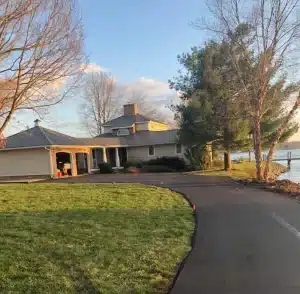
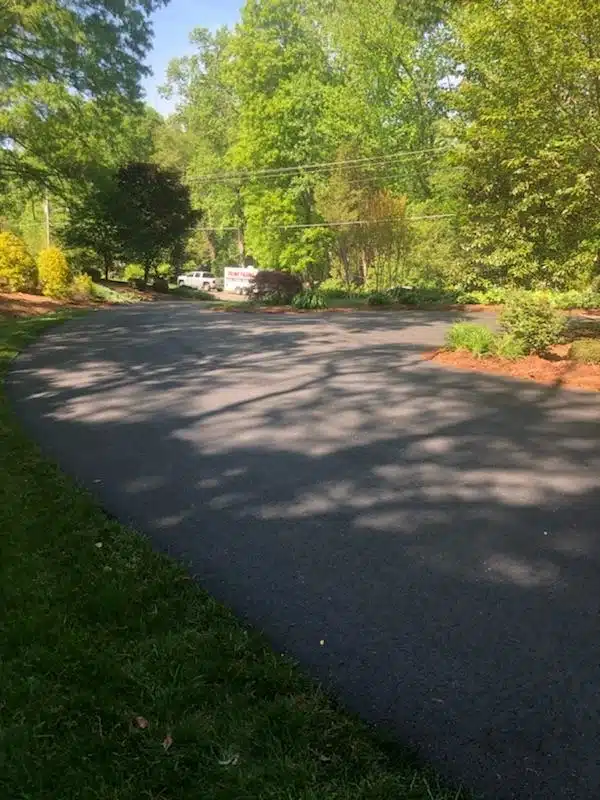
A private road is far more than a long driveway. It is a complex piece of engineered infrastructure that serves as the foundation for your community’s safety and property value. Many HOA boards recognize the frustration of watching a new surface deteriorate because the underlying structure was neglected or the project was rushed. Finding experienced private road paving contractors is the first step toward avoiding these costly mistakes. When a contractor treats a community road with the same technical rigor as a public highway, the results are visible in the road’s longevity and the community’s peace of mind.
You deserve a paving partner who understands the logistical challenges of coordinating with multiple homeowners and maintaining a strict budget. This guide explains how to identify a professional team that focuses on sub-grade stability and uses durable materials like reclaimed asphalt pavement to ensure a reliable surface. We will look at how professional project management minimizes resident complaints and why a proactive maintenance schedule is the best way to protect your investment. By focusing on quality over speed, you can secure a smooth, safe road that serves your residents for many years.
Key Takeaways
- Learn why traffic volume and heavy vehicle weight require a road built with engineered sub-grade stability instead of a simple residential approach.
- Recognize the importance of selecting private road paving contractors with the equipment capacity and local knowledge needed for large scale community projects.
- Determine how a ten year maintenance master plan and regular sealcoating can protect your community budget by extending the life of your asphalt.
- Explore the value of proper drainage and soil stabilization techniques designed to withstand the specific challenges of regional soil conditions.
- Find out how professional project management can reduce resident complaints and ensure your road surface remains durable for decades.
Understanding the Unique Demands of Private Road Paving
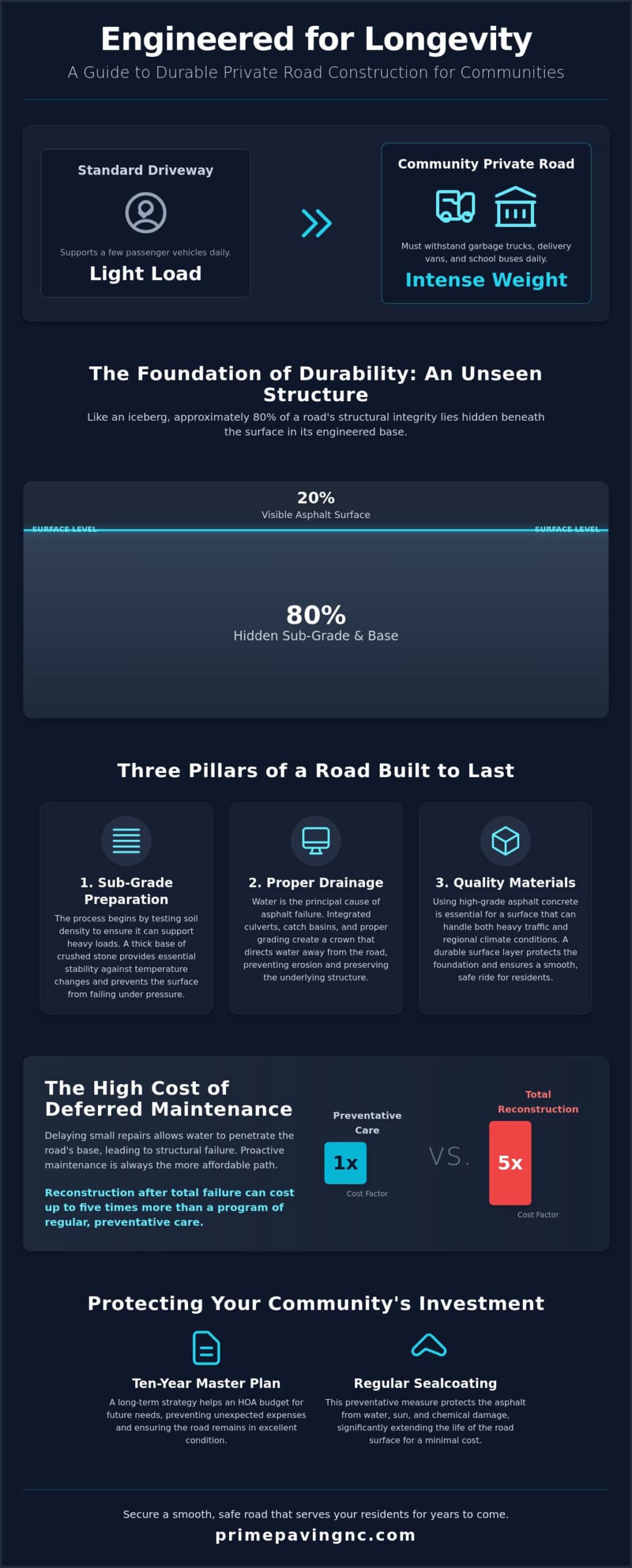
A private road is much more than a simple extension of a home driveway. While a standard driveway might only support two or three passenger vehicles a day, a community road must withstand a constant stream of heavy traffic. This includes daily rounds from garbage trucks, heavy delivery vans, and local school buses. These vehicles exert thousands of pounds of pressure on the asphalt surface. Because of this intense weight, residential asphalt paving for a subdivision requires a thicker foundation and a more durable surface layer than a typical home project. Professional private road paving contractors recognize that these roads are fundamental pieces of infrastructure. Solid paving work doesn’t just look good. It ensures that residents can travel safely and that property values remain high for every homeowner in the neighborhood.
Private Roads vs. Public Streets: Who is Responsible?
Many residents are surprised to learn that the North Carolina Department of Transportation does not maintain every street in the state. In many newer or gated communities, the responsibility for road health falls entirely on the Homeowners Association. This creates a notable maintenance gap. The HOA must act as its own municipal manager, overseeing everything from drainage to surface repairs. To protect the community’s long-term budget, the board should use municipal-grade standards as its benchmark for all projects. This involves employing a high quality Asphalt Concrete Overview to provide a surface that can handle the local North Carolina climate and heavy daily usage.
The Consequences of Deferred Road Maintenance
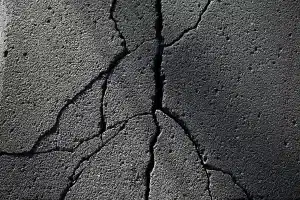
Delaying road repairs is a recipe for financial trouble. What starts as a small hairline crack can quickly evolve into a deep, dangerous pothole. When rainwater enters these cracks, it seeps into the ground and softens the soil beneath the asphalt. This leads to structural base failure, which is much more difficult and expensive to fix than surface wear. Beyond the financial cost, neglected roads pose safety hazards for drivers and may even impede emergency vehicle access during a crisis. Proactive maintenance is always the more affordable choice. If an HOA allows a road to reach a state of total failure, the cost of reconstruction can be five times that of regular preventive care. Maintaining a smooth surface is the most effective way to keep residents happy and keep the community safe.
Engineering Durability: Sub-grade, Drainage, and Asphalt Quality
The durability of a community road follows what engineers often call the iceberg effect. While the smooth surface is all that residents see, roughly eighty percent of the road’s structural integrity lies hidden beneath the asphalt. Expert private road paving contractors begin every project by examining the soil. In the North Carolina Piedmont region, we often deal with heavy red clay. This specific soil type holds moisture and shifts during seasonal temperature changes, which can lead to surface cracking if not handled correctly. Stabilizing this base with a thick layer of crushed stone is essential to creating a surface that won’t buckle under heavy vehicle loads.
The Foundation: Sub-grade and Base Preparation
Excavation is more than just moving dirt. It requires testing the soil density to ensure it can support a heavy load. If the sub-grade is too soft, the road will fail regardless of how much asphalt is poured on top. A solid crushed stone base acts as the skeleton of the road, providing the necessary strength to resist the freeze-thaw cycles common in North Carolina. This preparation includes grading the road to create a proper crown, ensuring the center is slightly higher than the edges to prevent water from pooling in the middle of the street.
Drainage Solutions for Long-Lasting Roads
Water is the primary cause of asphalt failure. When rain sits on the surface or saturates the base, it weakens the entire structure. Professional private road paving contractors integrate culverts, catch basins, and flow-line curbs into their designs. These elements work together to direct runoff away from the pavement and residential properties. Managing this water flow is the best way to prevent erosion and ensure the asphalt remains intact for decades. If you have noticed standing water or soft spots in your community, you might want to speak with a professional about a site evaluation.
Selecting the right asphalt mix is equally vital for long-term performance. The mixture must be flexible enough to survive cold winters but stiff enough to resist rutting during hot North Carolina summers. Following modern Asphalt Pavement Technology ensures that the materials used will meet these high standards. Proper compaction is the final critical step. Each layer must be pressed to a specific density using heavy rollers to remove air pockets. This creates a waterproof seal and a rock-solid surface that can handle thousands of pounds of pressure without sinking or breaking apart.
Long-term Maintenance and HOA Budgeting Strategies
Effective road management begins with a shift in perspective. Instead of viewing paving as a sudden, overwhelming expense, successful HOA boards treat it as a scheduled maintenance cycle. A ten-year master plan allows a community to allocate funds gradually, which prevents the need for large, unexpected assessments that often upset residents. By partnering with experienced private road paving contractors, boards can identify which sections of the road need immediate attention and which can wait. This strategic approach ensures that the most critical repairs are finished first, protecting the structural integrity of the entire neighborhood and keeping the budget predictable.
Preventative measures offer the highest return on investment for any community budget. Crack filling is a simple but vital task that keeps water from reaching the stone base. When cracks are left open, they allow moisture to soften the foundation, which leads to the structural failures mentioned in earlier sections. Sealcoating acts as a protective shield against the sun and rain, keeping the asphalt flexible and preventing it from becoming brittle. These small, regular investments can double the life of the surface, delaying the need for expensive asphalt paving or total reconstruction.
Reserve Fund Planning for Paving Projects
Building a healthy reserve fund is the most effective way to manage infrastructure costs. Boards should work closely with their contractors to get technical projections on the remaining life of their roads. While market conditions change, a professional can provide a percentage-based estimate of how much life is left in the current surface. Transparency is key when communicating these needs to homeowners. Explaining that a small monthly contribution now prevents a massive bill later helps build community support.
The Maintenance Lifecycle of a Private Road
Every road follows a predictable pattern of wear that dictates the necessary service schedule. During the first three years, the focus remains on routine inspections and sealing minor cracks before they expand. Between years five and seven, the community should schedule its first professional sealcoating application to refresh the binder and protect the surface from oxidation. As the road reaches the fifteen-to twenty-year mark, the board and their private road paving contractors must evaluate the need for asphalt milling and resurfacing. This process removes the worn top layer and replaces it with fresh material, which is far more cost-effective than digging up the entire road base for a total replacement.
How to Evaluate Private Road Paving Contractors
Selecting a partner for a community project requires a focus on operational scale. Large road networks require a high volume of materials and a crew capable of handling complex logistics. Professional private road paving contractors demonstrate their capability through the size and condition of their machinery. A fleet of well-maintained rollers and pavers indicates that a company is prepared for the heavy demands of a subdivision. It is helpful to look for a team that owns its equipment. This ensures that the machinery is available when your project begins and that the operators are familiar with their specific tools. Local knowledge remains a significant factor in North Carolina. A team that has worked in the region for decades understands how to time their work with local weather patterns to ensure the asphalt paving sets correctly.
Experience with community-scale work is visible in how a team manages a neighborhood. You should look for a history of successful projects in similar subdivisions. Speaking with other HOA boards can reveal how a company handles the daily pressures of a residential area. You want to hear about their reliability and their ability to keep a clean job site. A well-managed environment shows respect for the residents and their homes. When choosing private road paving contractors, a long-standing physical presence in the area is a sign of a dependable partner who will be available for future maintenance needs.
Logistics and Resident Coordination
A professional operation provides a clear plan for moving residents through the construction zone. A community cannot stop its daily routine. The contractor should explain how they will maintain access for school buses and emergency vehicles. This involves careful sourcing of materials from local plants to ensure the asphalt arrives at the correct temperature for a solid bond. A company that prioritizes these details often has a long history of serving neighborhoods and understands the importance of keeping every resident informed during the process.
Recognizing Operational Red Flags
Low bids often signal that a contractor is planning to ignore the essential base work discussed in previous sections. If a price is significantly lower than others, the surface layer may be too thin to support heavy delivery trucks. Another warning is the offer of leftover material from a nearby job. Reliable professionals calculate their material needs with precision. Every load of asphalt should be fresh and heated to the proper temperature for a lasting bond. A company that has been active since 1956 offers a level of stability that is visible in their finished work. If you are ready to move forward, you can request a professional evaluation to see how these standards apply to your road.
Prime Paving & Sealcoating: Your North Carolina Paving Partner
Prime Paving & Sealcoating has been a steady presence in the North Carolina region since 1956. We focus on the unique infrastructure needs of large residential developments and gated communities. As established private road paving contractors, we provide a comprehensive management approach that oversees every detail from the initial site visit to the final surface application. Our work includes commercial grading and excavating to ensure that every street has a solid foundation. We also offer commercial hauling services to efficiently move materials to the job site. This long history of service allows us to bring deep technical knowledge to every subdivision we pave.
Our commitment to quality is rooted in the belief that a well-paved road is a vital community asset. We help HOA boards protect their shared investment through professional oversight and reliable results. By focusing on the durability of our materials, we help maintain the neighborhood’s financial health and safety. Our crews take pride in delivering a smooth surface that meets the high standards required for heavy daily traffic. This careful attention to detail ensures that your community remains safe and attractive for every homeowner who calls it home.
Why Charlotte Communities Trust Prime Paving
Our decades of work in the Charlotte area give us a thorough understanding of the local landscape. We have spent nearly seventy years navigating the logistical challenges of residential subdivisions in the Piedmont region. This experience enables us to coordinate large projects with ease and precision. We offer transparent communication and clear estimates to help boards make informed choices for their residents. Our goal is to serve as a dependable guide for communities that value professional results and long term stability.
Start Your Community Paving Project Today
We follow a methodical process to complete every job while keeping resident disruption to a minimum. Our team handles every phase of the project, including site evaluations and the final application of residential sealcoating. We coordinate with the board to manage traffic flow and keep the neighborhood moving during construction. If you want to improve your community’s private roads, our team is ready to assist you with professional care and expertise.
Contact Prime Paving & Sealcoating for a Free Private Road Estimate
Securing the Future of Your Community Infrastructure
A durable road is the result of engineering that begins well before the asphalt is poured. By focusing on the subgrade’s hidden stability and the precision of drainage design, a community avoids structural failures that would otherwise require total road replacement. Partnering with seasoned private road paving contractors ensures that every project is handled with the technical rigor necessary for large-scale infrastructure. Prime Paving & Sealcoating has been a family-owned business since 1956. We bring specialized experience to subdivision projects, focusing on results that protect the neighborhood’s financial health. Taking a proactive approach to road care today prevents the need for large assessments in the future and keeps the surface safe for everyone. We are ready to help your board develop a maintenance cycle that fits your specific needs and maintains the value of your property.
Request a Free Estimate for Your Private Road Project
Your community deserves a road surface that is built to last and provides safety for every resident.
Frequently Asked Questions
How long should a professionally paved private road last?
A professionally installed asphalt road should last between fifteen and twenty years before requiring a major overlay. This lifespan depends heavily on the volume of heavy-vehicle traffic and the consistency of preventive maintenance. Following the lifecycle care mentioned earlier helps prevent the foundation from weakening. Regular inspections allow you to catch minor issues before they compromise the entire structure.
What is the best time of year to pave a road in North Carolina?
The ideal window for paving in North Carolina runs from April through October. Asphalt requires warm ambient temperatures to remain workable during the pouring and compaction process. Cold weather causes the material to harden too quickly, which prevents the crew from achieving the necessary density. Planning your project during the warmer months ensures a smoother finish and a more durable bond.
How thick should the asphalt be for a private community road?
Most community roads require a total compacted thickness of three to four inches of asphalt. This is generally applied in two layers: a coarse base course for strength and a finer surface course for a smooth finish. Experienced private road paving contractors determine the exact depth based on the soil conditions and the expected weight of delivery trucks or school buses.
Can an existing gravel road be converted to asphalt?
Converting a gravel road to asphalt is a common project that begins with a thorough evaluation of the existing stone base. If the gravel is deep and stable enough, it can serve as a foundation once graded and compacted. In many cases, an additional stone is needed to ensure the new asphalt has a rock-solid surface to bond with during installation.
What is the difference between sealcoating and resurfacing a private road?
Sealcoating is a liquid top coat that protects the binder from sun and water damage. It is a preventative task performed every few years. Resurfacing involves either removing the old top layer or adding a fresh layer of hot-mix asphalt over the existing road. While sealcoating maintains the surface, resurfacing addresses more severe wear and restores the pavement’s structural integrity.
How soon can residents drive on a newly paved asphalt road?
Residents can typically drive passenger vehicles on a new road within twenty-four to forty-eight hours after completion. While the asphalt may feel hard to the touch sooner, it takes time for the material to cure and reach full strength. You should keep heavy equipment and large delivery vans off the surface for at least three days to prevent scuffing or ruts.
Do we need a permit for private road paving in Charlotte, NC?
Permitting requirements for private road projects vary depending on the specific scope of the work and local drainage regulations. While some simple resurfacing projects might not require a permit, larger projects involving grading or changes to water runoff often do. HOA boards should check with local municipal planning offices in Charlotte or Mecklenburg County to ensure all local standards are met.
How does Prime Paving handle traffic control for subdivisions during a project?
We manage traffic by working in sections to keep at least one lane open whenever possible. Our team uses professional signage and flaggers to guide residents safely through the construction zone. We coordinate closely with the HOA board to ensure that emergency vehicles always have access and that residents are notified of the schedule well in advance. This organized approach helps minimize the daily impact on the neighborhood.