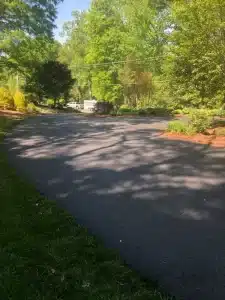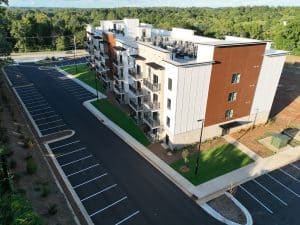
Most homeowners believe the quality of their driveway depends entirely on the dark surface they see every day. The true strength of asphalt paving driveways actually lies in the invisible work beneath that top layer, specifically the grading and base preparation that remains hidden from view. Without a stable foundation, even the most expensive materials will eventually fail under the weight of daily use.
You likely want a home entrance that stays smooth and jet black for decades, yet you might worry about seeing cracks or deep puddles forming after only a few seasons. It is frustrating to invest in your property only to deal with poor drainage or a surface that gives way to potholes prematurely. This guide provides the fundamental knowledge you need to ensure your pavement lasts for twenty years or more. We draw on years of experience as North Carolina paving specialists to help you understand what makes a residential project durable. You will learn about the technical standards for installation, the necessary steps for proper water runoff, and the specific schedule required to keep your driveway in top condition.
Key Takeaways
- Learn why the durability of a driveway depends on soil stabilization and subgrade preparation before any materials are placed.
- Understand how the natural flexibility of asphalt paving driveways helps the surface resist damage from seasonal temperature shifts.
- Identify the structural causes of surface cracking and how specific installation techniques prevent the edges of your pavement from breaking down.
- Master the timing for post-paving care to protect your investment during the initial curing period and throughout its lifespan.
Understanding Asphalt: Why It Is the Gold Standard for Residential Driveways
Asphalt is often misunderstood as a simple liquid poured over dirt. In reality, it’s a sophisticated engineered material that provides a durable, smooth surface for vehicles. Understanding what is asphalt concrete helps homeowners appreciate why it remains the most popular choice for American roads and homes. It’s a composite mixture that combines crushed stone and sand with a viscous binder known as liquid bitumen. When these ingredients are heated and mixed, they create a surface that’s both incredibly strong and surprisingly flexible.
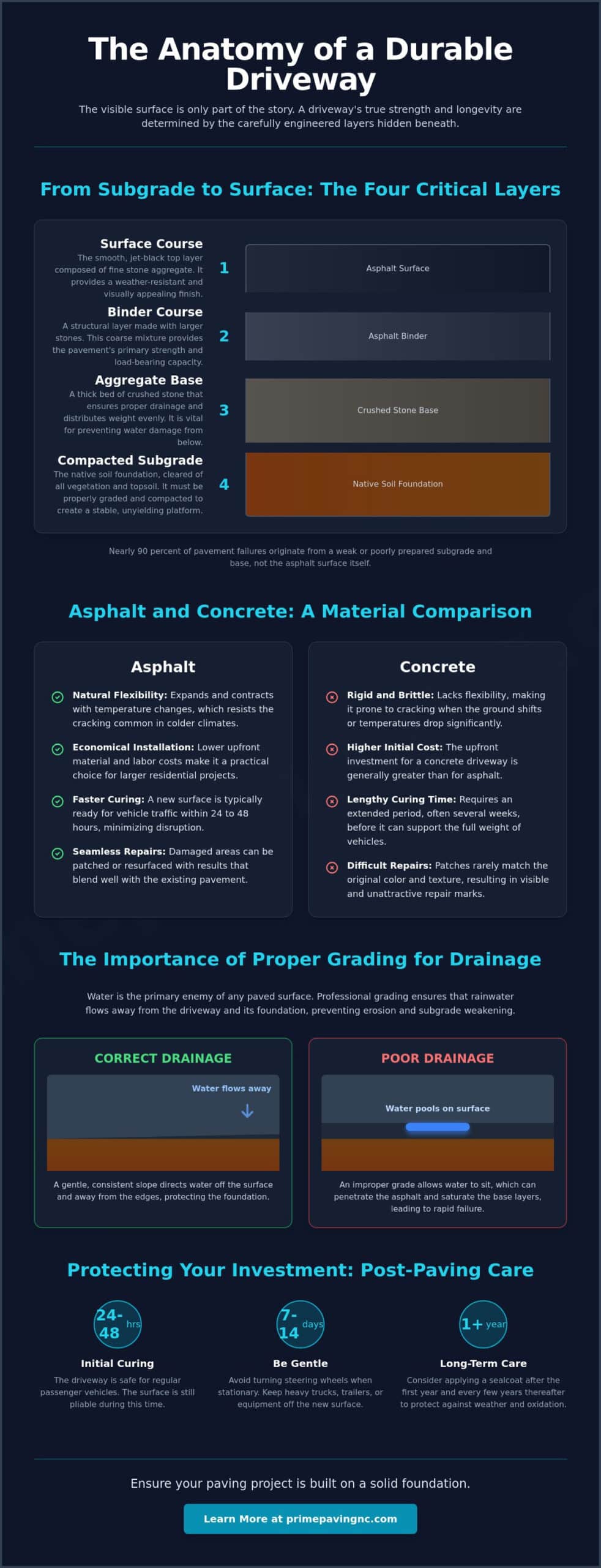
This mixture creates what engineers call flexible pavement. Because North Carolina experiences significant temperature swings between humid summers and freezing winter nights, your driveway needs to breathe. Asphalt expands and contracts with these changes without shattering. Concrete is rigid and brittle, which often leads to deep cracks when the ground shifts or the temperature drops. If you are considering asphalt paving driveways, this natural resilience is a primary reason the material lasts so long in our local climate.
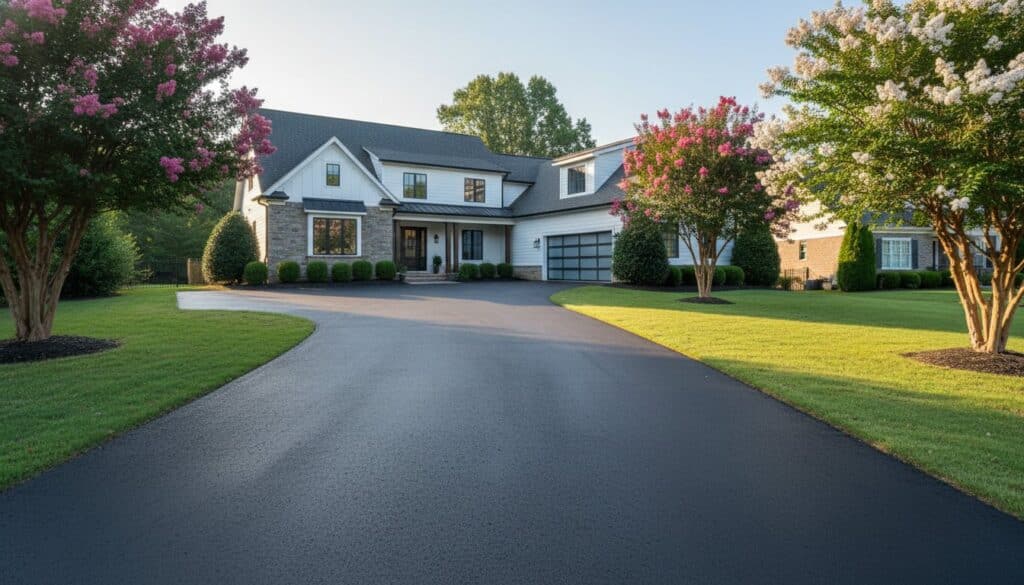
Practical benefits extend to the installation timeline as well. You can typically walk on a new surface within hours and drive your vehicle on it in just 24 to 48 hours. This rapid cure time is a major advantage over other materials that require weeks of restricted use. Beyond the technical specs, the aesthetic appeal of a fresh, jet-black surface provides an immediate boost to curb appeal. It creates a clean, professional look that contrasts beautifully with green lawns and stone architecture.
Asphalt vs. Concrete: The Cost and Durability Debate
Homeowners with large residential footprints often find asphalt much more economical than concrete. The lower upfront installation cost allows for wider or longer paths without breaking a budget. Repairability is another area where asphalt excels. If a section becomes damaged, we can patch or resurface it seamlessly. Concrete repairs are notoriously difficult to hide, often leaving behind mismatched colors and textures. In North Carolina, the dark color also provides a thermal benefit. The black surface absorbs solar heat. This helps melt ice and snow much faster than lighter materials, making your property safer during winter months.
The Environmental Impact of Modern Paving
Sustainability is a core part of modern
asphalt paving driveways
. Asphalt is the most recycled material in America. According to industry data, 99 percent of the pavement removed during road projects is reclaimed and reused in new mixes. This reduces the need for new stone and oil. Professional grading is another environmental safeguard. By carefully shaping the land before paving, we ensure that rainwater flows toward designated drainage areas rather than causing erosion in your yard. Some homeowners even choose porous asphalt options. These allow water to filter directly through the surface into the soil below, which helps manage stormwater naturally.
The Anatomy of a Durable Driveway: From Subgrade to Surface
A driveway’s lifespan is rarely determined by the asphalt you see on top. Instead, it depends on the preparation of the ground underneath. Roughly 90 percent of pavement failures happen because the foundation was weak or poorly prepared. This is why a foundation first approach is necessary for any lasting project. In North Carolina, our clay-heavy soil presents a unique challenge. This type of soil expands when it gets wet and shrinks when it dries, which can cause the pavement above to shift and crack. We begin by clearing all vegetation and topsoil to reach the stable subgrade. This layer must be compacted thoroughly to create a firm platform.
Next comes the aggregate base layer. This is a thick bed of crushed stone that provides drainage and structural support. For standard residential use, this layer is typically several inches thick. If you plan to park heavy trucks or trailers, the base needs extra depth to handle the added pressure. Once the base is set, we apply the asphalt in stages called lifts. The first is the binder course, which uses larger stones to provide a rugged internal structure. The final surface course uses smaller stones to create the smooth, black finish people expect from high-quality asphalt paving driveways. Following standard asphalt pavement guidance ensures that these layers work together to support the weight of your vehicles.
Grading and Drainage: The Secret to Longevity
Water is the primary enemy of any paved surface. Without a proper pitch, rain will sit on the driveway or flow toward your home foundation. A professional installation requires a slope of at least one percent to ensure water moves away efficiently. Standing water eventually seeps through the surface and softens the stone base. This leads to sagging and potholes. Prime Paving & Sealcoating provides the expert grading and excavating needed to keep your property dry and your driveway stable. You can speak with our team to evaluate your site’s specific drainage needs.
Asphalt Milling and Resurfacing Options
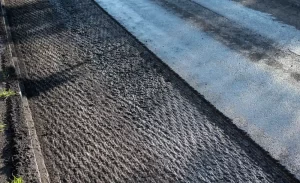
You do not always need to tear out the entire driveway if the surface looks worn. Asphalt milling is a process where we use a machine to grind away only the top layer of pavement. This is a cost-effective choice if your driveway is aging but the stone base underneath remains structurally sound. Once the old layer is removed, we can install a new asphalt overlay. This gives you a brand-new surface without the expense of a full dig-out. This method is common in many asphalt paving driveways across the state because it restores the look and function of the pavement quickly and efficiently.
Planning Your Paving Project: Timing, Costs, and Preparation
Planning successful asphalt paving driveways requires a logistical approach that begins well before the crew arrives. We start with a thorough site evaluation to verify that the drainage plans and grading requirements discussed earlier are feasible for your specific lot. You will also need to select the appropriate asphalt mixture based on your expected traffic. While standard residential mixes are ideal for passenger cars, homeowners who store heavy recreational vehicles or boats may require a binder with higher structural capacity.
Scheduling depends heavily on the weather, as following asphalt industry best practices requires a surface temperature of at least 50 degrees. In the Charlotte region, we look for a window of low humidity and clear skies to ensure the binder sets correctly. Before the installation begins, you should clear all vehicles from the work zone and ensure that any underground utility lines are clearly marked. After the final compaction, the material enters a critical cooling phase. You must allow the surface to rest for at least 24 to 48 hours before the first vehicle is permitted to use the new path.
Factors Influencing Your Asphalt Driveway Cost
Total square footage is the primary driver of any quote, but the complexity of the driveway geometry also plays a role. Curves and narrow sections require more manual labor and specialized tools than a straight, wide rectangle. You should also consider the state of your soil. If the ground is particularly unstable, additional stone or soil stabilizers may be needed to build a firm foundation. Finally, because bitumen is a petroleum product, fluctuations in global oil prices can directly impact the cost of the raw materials at the plant.
Choosing a Local Charlotte Paving Contractor
Homeowners should be wary of door-to-door crews claiming to have leftover asphalt from a nearby project. Professional contractors don’t operate this way because the material must be kept at a specific heat to bond correctly. As a company with a 67 year history in the Charlotte area, Prime Paving & Sealcoating understands how to navigate our local weather and soil challenges. When you interview a professional, ask about the age of their rollers and pavers. Modern, well-maintained equipment is essential for achieving a uniform thickness and a smooth finish across the entire surface of asphalt paving driveways.
Common Pitfalls in Residential Paving (and How to Avoid Them)
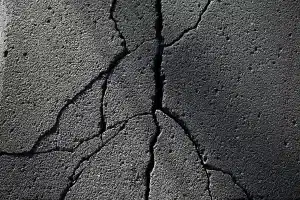
Alligator cracking is one of the most visible signs of a failing driveway. It appears as a series of interconnected cracks that look like the scales on the back of a reptile. This pattern almost always indicates that the sub-base has moved or was not thick enough to support the weight of vehicles. As we discussed in the section on driveway anatomy, the foundation must be rigid to keep the surface intact. Another frequent error is leaving the edges of the pavement too thin. The perimeter is the most vulnerable part of the path. If the edges are not thickened or properly supported by shoulder stone or soil, they will quickly crumble under the pressure of a car tire.
Inadequate compaction is a technical failure that often goes unnoticed until years later. If a crew does not use a heavy enough roller or fails to make enough passes, tiny air pockets remain inside the mixture. These pockets allow air and water to penetrate the surface, which causes the liquid bitumen to harden and become brittle. This process is known as oxidation. You should also be wary of unsolicited crews offering a discount on leftover material. High-quality asphalt must be laid while it is hot. Material left over from another job has likely cooled too much to bond correctly, leading to a surface that peels and cracks within months.
Dealing with North Carolina’s Unique Climate
The intense summer sun in cities like Charlotte can soften new asphalt paving driveways significantly. During the first few months, a heavy vehicle turning its wheels while stationary can leave power steering marks or scuffing on the surface. Heavy spring rains also pose a risk if the grading was not handled with precision. Water can wash away the supporting soil at the edges of a newly finished project. Thermal expansion in the Charlotte region is the physical process where asphalt naturally increases in volume as it absorbs solar heat and then contracts as the evening air cools.
The Role of Professional Maintenance
You must be able to tell the difference between normal wear and a structural failure. Fading from black to gray is a natural result of sun exposure, but deep cracks require immediate attention. A regular schedule for asphalt paving driveways ensures that minor surface issues do not become expensive structural problems. If you ignore a small crack in the fall, water will enter the gap and freeze during a winter cold snap. The expanding ice pushes the pavement apart, turning a minor issue into a large pothole by spring. You can learn more about our sealcoating services to see how we protect the binder from this cycle. Keeping the surface sealed prevents water from reaching the base and preserves the flexibility of the material. If you suspect your pavement is beginning to fail, contact our experts for a professional assessment of your driveway.
Protecting Your Investment: Post-Paving Care and Sealcoating
The work doesn’t stop once the heavy machinery leaves your property. The first thirty days are known as the curing period, and your habits during this time will dictate how well the surface settles. During this month, the asphalt remains somewhat tender as the liquid oils evaporate and the binder firms up. You should avoid parking heavy trailers or using pointed objects like car jacks on the new surface. It’s also wise to keep vehicles moving while turning the steering wheel to prevent scuff marks. After this initial month, your asphalt will have hardened significantly, but it still requires consistent attention to reach its full twenty year potential.
Regular inspections are the easiest way to prevent chemical damage. You should look for oil or gasoline spills, as these fluids act as solvents that dissolve the bitumen binder. If you spot a spill, cleaning it with mild soap and water can prevent the liquid from eating into the pavement. Keeping the path clear of debris also makes it easier to spot the small cracks we discussed earlier before they have a chance to grow into potholes. The ideal maintenance schedule involves applying the first coat of protection roughly six to twelve months after installation. This delay allows the pavement to release light oils that would otherwise prevent the sealer from bonding. After that first application, we recommend refreshing the sealcoat every two to three years depending on the amount of traffic your driveway handles.
The Benefits of Professional Sealcoating
Sealcoating is the single most effective way to extend the life of asphalt paving driveways. Think of it as a protective shield that guards the pavement against the elements. UV rays from the sun cause oxidation, which turns the driveway gray and makes it brittle over time. A professional sealcoat acts like a high-grade sunscreen, blocking these rays and keeping the material flexible. It also provides a waterproof barrier. This prevents rain from seeping into the stone base, which we already identified as a primary cause of structural failure. Beyond the protection, a fresh coat restores that deep, jet-black appearance that improves the visual appeal of your entire home.
Why Experience Matters: The Prime Paving & Sealcoating Difference
Choosing a partner for your home improvement projects requires trust in their history and their methods. Prime Paving & Sealcoating has served the Charlotte area since 1956, providing a level of reliability that only comes from decades of local work. We take a family-style approach to every project, ensuring that your property is treated with the same care we would give our own. Our team understands the specific needs of North Carolina soil and the demands our climate puts on asphalt paving driveways. When you work with us, you are gaining the peace of mind that comes from professional standards and a commitment to quality. If you are ready to improve your property with a durable new surface, you can request your free residential paving estimate today.
Invest in Your Home with Professional Paving
A driveway serves as the gateway to your home and deserves a construction process that prioritizes long-term stability. We have explored how a successful project relies on the invisible work of subgrade preparation and the protective power of timely sealcoating. These technical requirements ensure that you are prepared to make informed decisions for your property. You don’t have to settle for a surface that fails prematurely when the right foundation is within reach.
Prime Paving brings a legacy of reliability to every job site. Since 1956, our family-style approach has helped North Carolina homeowners achieve lasting results through the use of specialized residential and commercial equipment. We understand the local soil conditions and weather patterns that impact asphalt paving driveways in our region. Our team is ready to provide free professional estimates to help you plan your next improvement with confidence. Get a Free Estimate for Your Driveway Project today and start the process of creating a beautiful and durable entrance for your home.
Frequently Asked Questions
How long does an asphalt driveway typically last in North Carolina?
A properly installed asphalt driveway in North Carolina typically lasts between 15 and 20 years. This lifespan depends on the quality of the initial grading and the consistency of your maintenance routine. Because our local soil is heavy with clay, the foundation must be exceptionally stable to prevent shifting over time. Regular sealcoating and crack filling will help you reach the upper end of this estimate while maintaining a smooth surface.
How soon can I drive on my new asphalt driveway?
You can usually walk on your new surface within hours but should wait 24 to 48 hours before driving a vehicle on it. During the first few weeks, the asphalt is still curing and remains sensitive to high temperatures. It is best to avoid parking heavy trailers or using sharp objects on the pavement during this initial month. Moving vehicles slowly and avoiding stationary wheel turns will prevent surface scuffing while the binder firms up.
What is the best time of year to pave a driveway in Charlotte?
The optimal time for asphalt paving driveways in Charlotte is from late spring through early autumn when temperatures are consistently above 50 degrees. Asphalt requires heat to remain workable during the installation and compaction process. While North Carolina winters are often mild, the cold ground can cause the material to cool too quickly. Avoiding periods of heavy seasonal rain also ensures the subgrade remains dry and stable for the best possible result.
Can you pave asphalt over an existing gravel driveway?
Yes, you can pave over an existing gravel driveway if the stone base is stable and provides adequate drainage. We must first evaluate the depth and compaction of the gravel to ensure it can serve as a reliable foundation. In many cases, we add more crushed stone and regrade the area to create the necessary pitch for water runoff. This approach often saves time and labor compared to a full excavation of the site.
Why is my new asphalt driveway turning gray?
Your driveway turns gray because of a natural process called UV oxidation. As the sun beats down on the pavement, it dries out the liquid bitumen that holds the stones together. This loss of oils makes the surface appear lighter and eventually leads to brittleness. Applying a professional sealcoat every few years acts as a sunscreen. This process restores the dark color and protects the binder from the damaging effects of the sun.
How thick should a residential asphalt driveway be?
A standard residential driveway should have a compacted asphalt thickness of 2 to 3 inches. This layer is usually placed over a stone base that is 4 to 6 inches deep. If you plan to park heavier equipment like large boats or utility trucks, we may recommend a thicker binder layer for extra structural support. Proper thickness is vital for preventing the surface from sagging or cracking under the weight of daily traffic.
Is asphalt paving cheaper than concrete in the long run?
Asphalt generally has a lower upfront installation cost compared to concrete, especially for larger properties with significant square footage. While concrete may last longer, it is much more expensive to repair when it eventually cracks. Asphalt can be patched or resurfaced seamlessly. This often makes it the more cost-effective choice over the life of the home because localized repairs prevent the need for a total replacement as the driveway ages.
How often should I sealcoat my asphalt driveway?
You should apply a new layer of sealcoat every 2 to 3 years to maintain the flexibility and appearance of the pavement. The first application should occur roughly one year after the initial installation to allow the new asphalt to cure completely. Regular sealing prevents water from penetrating the surface and protects the binder from sun damage. This simple maintenance step is the most effective way to maximize the return on your investment.