The answer depends on one thing more than anything else: the condition of the base underneath the asphalt, not the surface you can see from the street. A driveway with a sound base and surface damage is a resurfacing candidate. A driveway with a compromised base needs to come out and start over. The difference between those two jobs is several thousand dollars, which is exactly why getting an honest assessment before committing to any work matters more than getting the lowest quote.
Most homeowners cannot tell which situation they have by looking. That is not a criticism. Asphalt hides what is happening underneath it until the damage is advanced enough to show through. By then the repair window has often closed.
What the Surface Is Telling You
Surface cracks come in two categories that mean very different things. Hairline cracks running in relatively straight lines are surface oxidation. The asphalt has dried out over time, lost its flexibility, and begun to separate at the surface. This is normal aging and it is treatable. Sealcoating and crack filling, done before water gets in and works through the base, can add years to a driveway that is otherwise structurally sound.
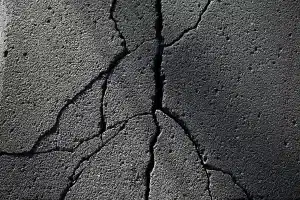
Alligator cracking is different. The pattern looks like a dried riverbed, with interlocking cracks forming irregular shapes across a section of the driveway. This pattern almost always signals base failure underneath. The asphalt above is flexing because the ground below it is no longer providing consistent support, whether from water infiltration, poor original installation, or soil movement over time. Sealing over alligator cracking does not fix it. The base has to be addressed, which means removal and replacement of the affected section at minimum.
Potholes tell the same story as alligator cracking. They form when water gets into the base, freezes and thaws through the winter cycle, and causes the material beneath the asphalt to shift and compress unevenly. Patching a pothole is a temporary measure. If the surrounding base is compromised, more potholes follow.
How Long an Asphalt Driveway Should Last
A properly installed asphalt driveway, built on a compacted aggregate base of adequate depth, can last 20 years or more with reasonable maintenance. The variables that shorten that lifespan are almost always related to the original installation rather than wear. Insufficient base depth, poor drainage, and inadequate compaction during installation create problems that no amount of maintenance fixes. The driveway that looks fine at year three and falls apart at year seven was usually built wrong from the start.
Sealcoating on a three to five year cycle protects the surface from UV oxidation, water infiltration, and oil staining. It does not add structural strength, but it preserves the asphalt’s flexibility long enough to get the full lifespan out of a well-built driveway. On a poorly built driveway it only delays the inevitable.
What to Expect From an Estimate
A useful paving estimate requires a contractor to actually walk the driveway. Drive-by quotes, where someone slows down, looks from the street, and sends a number by text, tell you almost nothing useful because the person quoting the job has not assessed the base condition.
A contractor worth hiring will look at the cracking pattern, check for soft spots by walking the surface and noting where it gives underfoot, assess the drainage situation around the edges, and ask how old the driveway is and when it was last sealed. From that information they should be able to tell you with reasonable confidence whether you have a surface problem or a base problem, and what the appropriate remedy is.
Prime Paving & Sealcoating has been doing residential and commercial paving across the Charlotte metro since 1956. The free estimate process works the same way it always has. Billy comes out, walks the driveway, and gives a straight assessment of what the surface actually needs rather than defaulting to the most expensive recommendation. In cases where additional work comes up during the job, the conversation happens before anything gets added to the scope.
The Sealcoating Question
Sealcoating is appropriate when the base is sound and the surface oxidation has not progressed to structural cracking. It is not appropriate as a cosmetic cover for a driveway that needs resurfacing or replacement. A freshly sealed driveway with alligator cracking underneath still has alligator cracking underneath.
The practical test is this. If the surface cracks are narrow, relatively recent, and concentrated at the edges or in straight lines, sealcoating is a reasonable response. If the cracks are widening, spreading in an irregular pattern, or if sections of the surface are spongy when you walk on them, the driveway needs a more substantive assessment before any money goes into sealing it.
Practical Next Steps
Walk your driveway slowly and look at the cracking pattern. Note whether any sections feel soft or unstable underfoot. Check whether water drains away from the surface or pools in low spots after rain. Take photos of the worst areas before an estimator comes out.
Then call a contractor who will actually walk the job before quoting it. The estimate itself costs nothing. The information you get from it determines whether you spend the right amount of money on the right solution or spend the wrong amount on something that will not hold.
Prime Paving & Sealcoating offers free estimates across the Charlotte metro, Mooresville, Concord, Huntersville, Statesville, Hickory, Matthews, Monroe, Gastonia, and Rock Hill SC. The phone number is (336) 981-8539.
Frequently Asked Questions
How do I tell the difference between surface cracking and base failure?
Surface cracking runs in relatively straight lines and tends to appear at the edges of the driveway first. It is caused by oxidation and normal aging. Base failure produces a pattern of interlocking, irregular cracks across a section of the driveway, often accompanied by sections that feel spongy or unstable when you walk on them. Potholes are another indicator of base problems. If you are unsure which situation you have, an in-person estimate from a contractor who walks the driveway is the most reliable way to find out.
How much does a new asphalt driveway cost in the Charlotte area?
Cost depends on the size of the driveway, the condition of the existing base, and whether old asphalt needs to be removed before new material goes down. A contractor cannot give you a reliable number without seeing the job. Drive-by estimates that arrive without a site visit are not worth much because they cannot account for base conditions, drainage issues, or scope variables that only become visible on the ground. Free estimates from reputable contractors are standard in this market. Use them.
Is it worth repairing a driveway or should I just replace it?
If the base is structurally sound, resurfacing or targeted repairs are almost always worth doing. They cost significantly less than full replacement and can add ten or more years to a driveway that was built correctly in the first place. If the base has failed, repairs are a temporary delay rather than a solution. The honest answer depends on a site assessment, not a general rule.
How often should I sealcoat my driveway?
Every three to five years is the standard recommendation for an asphalt driveway in North Carolina’s climate. The first sealcoating should happen no sooner than six months after a new installation, which allows the asphalt to cure fully. After that, regular sealing on a consistent schedule protects the surface from UV damage, water infiltration, and oil staining. Waiting too long between applications allows oxidation to progress to the point where sealing no longer provides adequate protection.
What questions should I ask a paving contractor before hiring them?
Ask whether they will come out and walk the driveway before providing an estimate. Ask what the base preparation involves and how deep the aggregate base will be. Ask whether the quote covers disposal of existing asphalt if removal is required. Ask for a written scope of work before any contract is signed. A contractor who is unwilling to answer these questions clearly before the job starts is not one you want managing it after.
Does Prime Paving & Sealcoating serve Rock Hill, SC?
Yes. Prime Paving & Sealcoating serves Rock Hill in addition to the Charlotte metro and surrounding NC communities including Mooresville, Concord, Huntersville, Statesville, Hickory, Matthews, Monroe, Gastonia, Salisbury, Winston-Salem, and Southern Pines. Free estimates are available across the full service area. Call (336) 981-8539 to schedule.