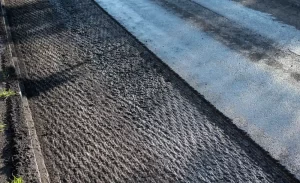
If your parking lot looked rough in February, it looks worse now. Winter is the single most destructive season for asphalt, and the damage it causes does not stop when the temperatures come back up. Water that worked its way into surface cracks during the cold months has already begun undermining the base underneath. What shows on the surface in spring is almost always less than what is happening below it.
The good news is that most winter parking lot damage is repairable without full replacement, but only if it gets addressed before another season of traffic and weather compounds the problem. Waiting is what turns a repair job into a reconstruction project.
Why Winter Destroys Asphalt
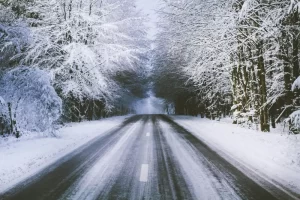
Asphalt is a flexible material, which is one of its strengths. It expands in heat and contracts in cold. That cycle is manageable when the surface is sealed and intact. When cracks are present, water gets in during rain and snowmelt, settles into the base material, and then freezes when temperatures drop overnight. Frozen water expands. That expansion pushes against the asphalt from below, widening existing cracks and creating new ones. When the ice thaws, the base material shifts and settles unevenly. Then the cycle repeats.
By the time spring arrives, a parking lot that had manageable surface cracking in October may have active potholes, spreading alligator cracking, and sections where the base has lost enough integrity that the surface moves underfoot. Each of those conditions is more expensive to fix in June than it was in October, and more expensive still if left until next fall.
Reading What Your Parking Lot Is Telling You
Not all parking lot damage is equal, and the repairs required depend on what type of damage is present and how far it has progressed.
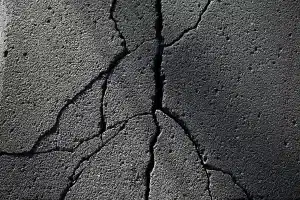
Surface cracking in straight or slightly curved lines, concentrated along the edges or in the older sections of the lot, is oxidation damage. The asphalt has dried out and lost flexibility. Crack filling and sealcoating address this effectively when the base underneath is still sound.
Alligator cracking, the interconnected irregular pattern that resembles a dried riverbed, signals base failure in that section. The surface above is flexing because the material below it is no longer providing stable support. Sealing over alligator cracking does not repair it. The affected area needs to be cut out, the base rebuilt, and new asphalt laid on top.
Potholes are the visible result of base failure that has progressed to the point where the surface has collapsed. They are a liability concern as well as a structural one. A vehicle or pedestrian damaged by a pothole in a commercial parking lot is a foreseeable problem, and property managers and HOA boards who document known hazards and delay repair carry more exposure than those who address them promptly.
Edge deterioration, where the perimeter of the lot has begun to crumble or break away, is common after winters with significant freeze-thaw activity. It typically indicates that the original edge was not adequately supported during installation or that drainage along the perimeter has been carrying water under the base for some time.
What a Spring Parking Lot Assessment Covers
A contractor doing a proper parking lot assessment will walk the full surface, not drive it. Walking reveals soft spots that a vehicle passes over without registering. They will note which cracks are isolated and which are connected, identify sections showing alligator patterns, locate potholes and measure their depth, check the drainage pattern across the lot, and look at the condition of the edges and any curbing.
From that assessment they should be able to give you a clear picture of which sections need full base repair, which sections are candidates for resurfacing, and which areas can be addressed with crack filling and sealcoating. A good contractor separates these categories rather than recommending full replacement across a lot that has isolated damage in two or three sections.
Prime Paving & Sealcoating has been doing commercial parking lot repair and maintenance across the Charlotte metro since 1956. The assessment process starts with a free estimate. Billy walks the lot, identifies what each section actually needs, and provides a scope of work that reflects the real condition of the surface rather than a default recommendation toward the most expensive option. If additional work becomes necessary once the job is underway, that conversation happens before the scope changes.
The Cost of Waiting
A crack that costs a few hundred dollars to fill in April costs significantly more to repair in September after summer traffic has worked it open further and a second winter of freeze-thaw cycles has undermined the base beneath it. A pothole that costs a few hundred dollars to patch properly costs considerably more once the surrounding base has collapsed enough to require excavation and reconstruction.
Parking lot maintenance is one of those situations where the least expensive time to act is almost always right now. The damage does not stabilize on its own. It progresses.
Practical Next Steps
Walk your parking lot this week and photograph the worst areas before you call anyone. Note where potholes are located, where the cracking pattern is irregular rather than linear, and where the edges are breaking down. That documentation is useful both for getting an accurate estimate and for your own records if liability questions arise later.
Then call a contractor who will come out and assess the full surface before quoting the job. A number that arrives without a site visit cannot account for base conditions, drainage issues, or the scope of subsurface damage that only becomes visible on the ground.
Prime Paving & Sealcoating offers free estimates for parking lot repair, resurfacing, and maintenance across the Charlotte metro, Mooresville, Concord, Huntersville, Statesville, Hickory, Matthews, Monroe, Gastonia, Winston-Salem, Salisbury, and Rock Hill SC. Call (336) 981-8539 to schedule.
Frequently Asked Questions
How do I know if my parking lot needs full replacement or just repairs?
Full replacement is necessary when the base has failed across a significant portion of the lot. Isolated alligator cracking and potholes in specific sections usually indicate localized base failure that can be addressed with targeted excavation and repaving rather than full reconstruction. A contractor who walks the surface and separates the damaged sections from the sound ones can give you a realistic breakdown. A quote that recommends full replacement without that assessment deserves a second opinion.
Is it safe to wait until summer to fix winter parking lot damage?
Waiting through spring and into summer allows additional freeze-thaw cycles, rain infiltration, and traffic loading to compound whatever damage is already present. Cracks widen. Base material continues to shift. What was a repair in March becomes a more involved project by August. Potholes that represent a liability concern do not become less of one with time. Addressing damage promptly after winter is consistently less expensive than addressing it after another season of deterioration.
How long does parking lot repair take?
Scope determines timeline. Crack filling and sealcoating across a standard commercial lot can typically be completed in one to two days depending on lot size and drying requirements. Sections requiring excavation, base rebuilding, and repaving take longer and may require phased access to keep portions of the lot usable during the work. A contractor who has walked the lot can give you a realistic timeline before the job starts so tenants, employees, and customers can be notified in advance.
Do I need to close my parking lot during repairs?
Partial closures are common for larger repair projects. Most contractors work in sections to maintain access to the building during the job. Sealcoating requires the treated surface to remain clear of traffic for a curing period, typically 24 to 48 hours depending on temperature and humidity. Your contractor should walk you through the access plan before work begins so everyone who uses the lot can be notified in advance.
What is alligator cracking and does it mean I need a new parking lot?
Alligator cracking is an interconnected pattern of irregular cracks that resembles a dried riverbed. It signals base failure in that section of the lot, meaning the material underneath the asphalt has lost its ability to provide stable support. It does not automatically mean the entire lot needs replacement. If the alligator cracking is contained to specific areas, those sections can be excavated, the base rebuilt, and new asphalt installed without touching the rest of the lot. A full-surface assessment is the only way to determine how far the base failure extends.
Does Prime Paving and Sealcoating serve commercial properties in Rock Hill SC?
Yes. Prime Paving & Sealcoating serves commercial and residential clients in Rock Hill SC in addition to the Charlotte metro and surrounding North Carolina communities including Mooresville, Concord, Huntersville, Statesville, Hickory, Matthews, Monroe, Gastonia, Salisbury, Winston-Salem, and Southern Pines. Free estimates are available across the full service area. Call (336) 981-8539 to schedule.