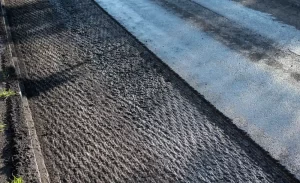

As fall arrives, most homeowners begin preparing their houses and yards for the cold months ahead. Outdoor furniture is stored, hoses are put away, and other routine tasks are completed before winter sets in. What many people overlook, however, is the driveway. Taking time to prepare asphalt pavement can make a real difference, helping it withstands winter’s harsh conditions and remain in good shape come spring.
Repair Problem Areas
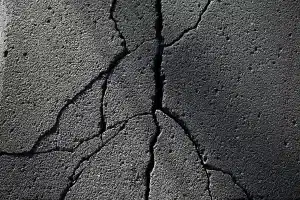
As temperatures drop, asphalt naturally expands and contracts. The freeze-thaw cycles of winter can magnify small flaws into larger ones, so it’s best to address repairs beforehand. Fill any potholes to prevent water from pooling and worsening the damage. Cracks should also be sealed to stop moisture from seeping beneath the surface and weakening the base. Adding a protective sealcoat provides another layer of defense against cold, ice, and snow.
Clear Away Debris
Before the first snowfall, remove anything that could interfere with plowing or shoveling. Leaves, branches, and other debris can usually be handled with a blower or broom, but a professional cleaning may be worthwhile. A thorough cleaning not only clears the surface but also makes it easier to spot hidden issues, such as cracks or potholes, that need attention. It also reduces the risk of frozen debris damaging the pavement through the winter.
Prepare for Snow Removal
Having the right tools on hand makes winter upkeep easier. Keep one or two sturdy shovels ready or consider hiring a snow removal service for added convenience. Choose shovels with smooth, rounded edges to avoid scratching the asphalt. If you opt for professional service, look for one that offers salting, timely response, and removal of snow piles, since heavy drifts can put stress on your driveway.
Watch for Standing Water
Pay attention to areas where water collects on your driveway after autumn rains. These low spots can freeze into patches of ice, creating both safety hazards and structural stress. If the weather allows, have them repaired before winter. Otherwise, mark the areas and plan to fix them in the spring, while keeping them clear of ice as best as you can in the meantime.
Drainage and Gutter Maintenance
Remind readers that good drainage is essential. Blocked gutters or downspouts can direct water onto the driveway, where it freezes and contributes to cracking. Suggest cleaning gutters in the fall and ensuring that water is directed away from paved areas.
Vehicle and Chemical Awareness
Warn about the effects of road salt, de-icing chemicals, and vehicle fluids. Salt and certain ice-melt products can eat away at asphalt if used heavily. Encourage readers to use asphalt-safe de-icers and to clean spills like oil or antifreeze promptly, since these substances weaken pavement.
Edge Protection
Advise against piling snow along the very edges of the driveway. Heavy snowbanks can cause crumbling or erosion along the sides, especially if water seeps underneath. Readers can spread snow more evenly or ask their snow removal service to avoid placing loads against the edges.
Seasonal Inspections
Encourage homeowners to schedule a professional inspection every few years before winter. A contractor can check the sub-base, drainage, and overall condition, making sure minor problems are handled before they worsen.
Long-Term Planning
Add a section about planning ahead for spring maintenance. While winter prep helps, the thaw season is when asphalt often shows damage. Suggest setting aside funds or scheduling a contractor early, since spring is a busy season for paving companies.
Safety Tips
Include a reminder that icy driveways are not only bad for asphalt but also a safety hazard for walking. Mention the benefits of using sand or gravel for traction in place of harsh de-icers.